





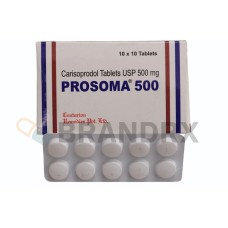
[Contains Carisoprodol]
Carisoprodol is a prescription medication commonly used as a muscle relaxant to relieve pain and discomfort associated with various musculoskeletal conditions. This centrally acting muscle relaxant works by interrupting the communication between nerves in the central nervous system, effectively reducing muscle tension and enhancing mobility. It is not only a critical tool for treating acute muscle spasms and pain but has also garnered attention in sports pharmacology for its potential impact on athletic performance.
In the realm of sports, Carisoprodol can be of interest to athletes seeking to alleviate discomfort arising from intense training or injuries. Athletes might utilize this medication to expedite recovery and facilitate pain management when subjected to rigorous physical demands. However, it's crucial to note that while Carisoprodol can be beneficial, it should be used responsibly and under the guidance of a healthcare professional due to its potential effects on coordination and reaction time.
Furthermore, as a medication that is classified as a controlled substance in several regions due to its sedative properties and potential for abuse, users must be aware of its legal status and ethical considerations, particularly in competitive sports. Responsible use hinges upon understanding both the benefits and risks associated with Carisoprodol, encouraging athletes to seek safer, FDA-approved alternatives whenever feasible.
[Does not contain Carisoprodol]
In the broader category of muscle relaxants and pain relief medications, several key characteristics and principles guide their use. These products often aim to manage acute and chronic pain resulting from muscle spasms or tension, but they come with specific precautions and contraindications that users must consider. Below is a structured overview:
- Contraindications: Individuals with known hypersensitivity to muscle relaxants or those who have a history of substance abuse are typically advised against using these products.
- Pregnancy and Breastfeeding: Muscle relaxants are generally avoided during pregnancy and breastfeeding due to potential risks to the fetus or infant.
- Children: Many muscle relaxants are not approved for use in pediatric populations, as their safety has not been adequately studied in younger individuals.
- Medical Conditions: People with certain medical conditions, such as severe liver impairment, respiratory issues, or a history of seizures, should exercise caution when considering these medications.
- Drug Interactions: Patients should inform their healthcare providers about all medications they are taking, as muscle relaxants can interact adversely with opioids, alcohol, or other CNS depressants.
[Contains Carisoprodol]
When examining current trends related to Carisoprodol, it's evident that discussions surrounding its application in sports and other physically demanding fields are evolving. As athletes increasingly prioritize recovery and pain management strategies, the discourse around muscle relaxants has grown in light of safety concerns and alternative therapies. Emerging research highlights ongoing investigations into the pharmacological profiles of Carisoprodol and its peers, as experts look to better understand their efficacy and safety profiles.
Common applications for Carisoprodol include short-term management of acute muscle pain, typically accompanying physical therapy, yet there is an observable shift toward integrating holistic approaches that extend beyond pharmacological interventions. Trends indicate athletes are turning towards complementary therapies, such as physical modalities and wellness practices, in conjunction with or as alternatives to traditional medications. This is reflective of a broader movement within the sports community focused on optimizing health and performance without compromising safety.
[Does not contain Carisoprodol]
Within the domain of sports pharmacology, the use of muscle relaxants and pain relief medications plays a pivotal role in managing physical stressors associated with athletic performance. Understanding the characteristics and intended applications of this category is essential for athletes, trainers, and healthcare providers alike. These medications are designed to alleviate pain, improve mobility, and support recovery, but their use must be measured and guided by professional advice to mitigate risks.
As the conversation around responsible use evolves, it is imperative for users to remain informed about the implications of any medication on performance and health. Engaging in responsible practices ensures that athletes can benefit from necessary interventions while safeguarding their well-being, legal standing, and ethical integrity in any sport they partake in. With a focus on safety and informed choices, the responsible integration of these products within athletic training regimens can support enhanced performances and overall health.