




 0
 0
 0
 0
 0

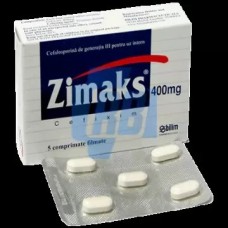
[Contains Cefixime]
Cefixime is a third-generation cephalosporin antibiotic highly regarded for its effectiveness against a broad spectrum of bacterial infections. Primarily indicated for treating infections caused by susceptible strains of bacteria, Cefixime plays a crucial role in the field of pharmacology, particularly in the management of respiratory, urinary, and otitis media infections. An important note for athletes and those interested in sports pharmacology is that Cefixime, while primarily an antibiotic, may also be considered within the context of athletic performance enhancement. This is due, in part, to its role in preventing infections that could impair an athlete's training regimen or overall health. Maintaining peak physical condition is essential for competitive athletes, and minimizing downtime due to bacterial infections can be critical. Therefore, Cefixime represents a fundamental tool in healthcare for athletes aiming to sustain their performance levels during intensive training schedules.
[Does not contain Cefixime]
When looking at medicinal products designed for treating bacterial infections, it is essential to understand the key characteristics and parameters that govern their use. Many antibiotics and pharmaceutical options share common principles, despite their varying mechanisms of action. Below are important considerations when utilizing these products:
- Contraindications: Certain groups of individuals, such as pregnant or breastfeeding women, often face restrictions regarding antibiotic use due to potential risks to fetal or infant health.
- Precautions: Individuals with a history of severe allergic reactions to penicillins or cephalosporins must exercise caution, as cross-reactivity may occur.
- Age Considerations: Pediatric populations may require special dosing adjustments, and certain antibiotics may not be suitable for young children.
- Existing Health Conditions: Patients with renal impairment should consult healthcare professionals regarding appropriate dosing, as adjustments may be necessary to prevent toxicity.
- Drug Interactions: Care must be taken to review other medications a patient is taking, as interactions can diminish efficacy or increase the risk of adverse effects.
[Contains Cefixime]
Current trends in the utilization of Cefixime focus on both its established effectiveness and ongoing research into enhancing its application. In recent years, there has been a significant interest in how Cefixime can be integrated into broader treatment regimens, particularly as antibiotic resistance becomes an increasingly prevalent issue. Efforts in the pharmaceutical industry are being directed toward developing formulations that maximize the drug’s potential while minimizing side effects. The frequency of bacterial infections often leads to a concomitant increase in user awareness regarding the appropriate use of antibiotics, with Cefixime at the forefront due to its therapeutic advantages. Users are increasingly looking for antibiotics that not only address infections but also possess a favorable side-effect profile. Moreover, healthcare professionals advocate for rational antibiotic use to combat resistance, which influences prescribing habits and user preferences.
[Does not contain Cefixime]
The role of medicinal products within sports pharmacology extends beyond performance enhancement; it encompasses a comprehensive approach to athlete health and recovery. Sports pharmacology evaluates how various drugs, including antibiotics, contribute to an athlete's performance while considering safe use and ethical implications. Antibiotics have specific intended applications, primarily focused on curing infections that could hinder an athlete's training and recovery phases. Responsible use is paramount, as athletes must navigate the balance between treating infections and ensuring compliance with sports regulations to avoid unintentional doping violations. Thus, the judicious use of antibiotics and other medicinal products in sports pharmacology emphasizes understanding the benefits and risks associated with their utilization. Athletes, trainers, and healthcare providers must work together to ensure that these treatments are used thoughtfully, promoting recovery without compromising performance integrity.