



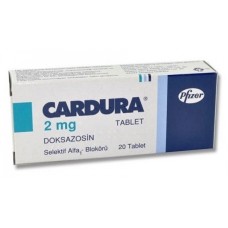


Overview of Doxazosin
Doxazosin is an alpha-1 adrenergic blocker primarily used to treat hypertension and symptoms associated with benign prostatic hyperplasia (BPH). It belongs to a class of medications that work by relaxing blood vessels, thus improving blood flow and reducing the workload on the heart. All products in the Doxazosin category share common mechanisms of action and therapeutic effects, making them suitable for patients with specific medical conditions that require such treatment.
The main characteristics of Doxazosin include its antihypertensive properties and its ability to alleviate urinary symptoms related to prostate enlargement. This medication is typically available in immediate-release and extended-release formulations, giving both healthcare providers and patients flexibility in treatment options. Its efficacy in managing BPH symptoms is particularly notable, offering relief from frequent urination, weak stream, and difficulty starting urination.
Types of Medications in the Market
Beyond Doxazosin, the category of medications targeting similar conditions includes various alternatives that may provide different mechanisms of action. Common types of medications used to treat hypertension and BPH include other alpha-blockers like Terazosin and Alfuzosin, as well as medications such as beta-blockers and diuretics, which do not contain Doxazosin.
Each of these alternatives differs in their pharmacological properties, intended use, and side effect profiles. For instance, beta-blockers primarily reduce heart rate and myocardial oxygen demand, while diuretics work by decreasing fluid retention. The choice of which medication to use can depend on the patient's specific symptoms, overall health profile, and the presence of any contraindications.
Comparison with Other Medications Containing Doxazosin
The Doxazosin category is distinctive when compared to other sports pharmacology products or treatment options. Unlike anabolic steroids or stimulants that are often misused in athletic circles, Doxazosin serves a legitimate medical purpose in managing specific health conditions. Its primary goal is not to enhance athletic performance but to normalise blood pressure and improve urinary flow.
Users might consider incorporating Doxazosin into their treatment plans for hypertension or BPH symptoms especially if they have already struggled with alternative therapies without satisfactory results. Additionally, the safety profile and mechanism of action often appeal to patients who prefer non-invasive and medically supervised treatments.
Long-term Considerations
When utilizing products from the Doxazosin category, several long-term considerations come into play. It is crucial for individuals to understand potential contraindications, such as pre-existing conditions like orthostatic hypotension, severe liver dysfunction, or known hypersensitivities to the drug.
Moreover, careful monitoring is recommended for groups such as pregnant or breastfeeding women, children, and the elderly, where the risk-benefit ratio must be evaluated diligently. Additionally, chronic use may lead to side effects including dizziness, headache, or fatigue, which should be discussed with healthcare providers before initiating long-term therapy.
Guidance on Using Doxazosin Products
For those seeking to incorporate Doxazosin into their treatment regimen, practical advice includes consulting with a healthcare professional to assess individual health conditions and medication interactions. It is essential to consider the appropriate dosage and whether immediate or extended-release formulations align better with personal routines and needs.
Users should also evaluate factors such as lifestyle changes, dietary habits, and potential side effects as part of comprehensive treatment planning. Awareness of the importance of adherence to prescribed dosages is vital, along with regular follow-ups to assess the effectiveness of the treatment and make necessary adjustments.