




 0
 0
 0
 0
[Contains Fluconazole]
Fluconazole is a powerful antifungal medication that belongs to the class of drugs known as triazoles. Primarily used to treat a range of fungal infections, it is particularly effective against infections caused by Candida and Cryptococcus species. Fluconazole works by inhibiting the growth of fungi, which makes it a crucial treatment option for various healthcare settings. Its primary purpose is to combat infections in both immunocompromised individuals, such as those undergoing chemotherapy or living with HIV/AIDS, and in healthy individuals suffering from conditions that predispose them to fungal infections, such as diabetes or prolonged antibiotic use.
[Does not contain Fluconazole]
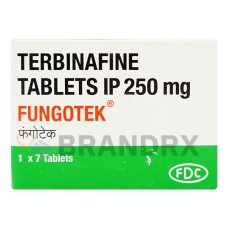
Products not containing Fluconazole may focus on alternative antifungal agents suitable for varying conditions. These products are often intended for patients experiencing mild to moderate fungal infections that may not require the potency of Fluconazole or for individuals who may be allergic or sensitive to that ingredient. The target audience includes patients seeking treatment for conditions like athlete’s foot, ringworm, or yeast infections. Typical applications encompass over-the-counter solutions that may bring relief from symptoms without the need for a prescription. However, it is always advisable to consult with a qualified healthcare professional before beginning any treatment, as they can provide personalized recommendations based on individual health factors.
In particular, individuals with liver disease, pregnant women, or those with certain pre-existing conditions may find these products inappropriate and should exercise caution. Precautions should also be taken when prescribing medications to elderly patients or those on multiple medications, as potential interactions can arise.
[Contains Fluconazole]
Fluconazole boasts several key characteristics and benefits that make it a go-to option for treating fungal infections. Its oral availability allows for easy administration, and its strong efficacy with a relatively favorable safety profile has earned it a well-deserved place in the treatment protocols for various fungal infections.
- Effective against a wide range of fungal pathogens, including Candida and Cryptococcus.
- Available in both oral and intravenous formulations for diverse treatment needs.
- Typically well-tolerated with a lower incidence of serious side effects compared to some alternative antifungals.
- Convenient dosing schedules often leading to high patient adherence.
- Can be used as prophylaxis in immunocompromised patients to prevent potential infections.
Moreover, due to its capability to penetrate body tissues effectively, Fluconazole can reach the central nervous system, making it valuable in treating conditions such as cryptococcal meningitis. It is crucial for patients to follow their healthcare provider's instructions to maximize the effectiveness of Fluconazole while minimizing potential side effects or interactions with other medications.
[Does not contain Fluconazole]
Products in the category of antifungal medications that do not contain Fluconazole can be of significant value when selected and used responsibly. They often serve as complementary options for patients experiencing milder symptoms or for those susceptible to fungal infections but not contraindicated for Fluconazole. These products may include topical treatments, herbal remedies, or alternative antifungal agents that can alleviate symptoms without the same pharmacological actions as Fluconazole.
The practical applications of these non-Fluconazole products can include immediate relief from itching, irritation, and inflammation associated with superficial fungal infections. When considering any treatment, being informed about the safety, efficacy, and appropriate usage of these alternatives is vital for achieving the best health outcomes.
Patients should always engage in informed discussions with their healthcare providers, ensuring they choose the right approach based on their health profile, current medications, and specific fungal infection type. By doing so, they can safely benefit from a variety of antifungal options, whether they opt for those containing Fluconazole or not.