



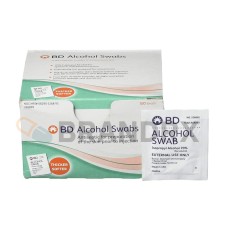
 0
[Contains Isopropyl alcohol]
Isopropyl alcohol, also known as 2-propanol or isopropanol, is a clear, colorless liquid with a strong odor and a wide range of uses in various industries. Often utilized as a solvent, antiseptic, or cleaning agent, Isopropyl alcohol is highly effective in killing bacteria and viruses, making it an essential component in disinfectants and hand sanitizers. Its versatility allows it to address multiple user needs, whether it’s for personal hygiene, household cleaning, or industrial applications.
This compound is synthesized by hydrating propylene oxide and is commonly found in concentrations of 70% to 99%. The 70% concentration is especially effective for antiseptic purposes because it contains enough water to slow down the rate of evaporation, allowing deeper penetration into cell membranes, thereby enhancing its antibacterial properties. Such attributes make Isopropyl alcohol a go-to product for individuals seeking to maintain cleanliness and reduce the risk of infection in their daily lives.
[Does not contain Isopropyl alcohol]
Products that do not contain Isopropyl alcohol are often aimed at individuals who may be sensitive to alcohol compounds or who prefer alternatives that offer similar cleaning and disinfecting benefits. These products are typically designed for use in sensitive environments, such as schools, nurseries, or healthcare settings where young children, pregnant women, or individuals with compromised immune systems may be present.
Common applications for non-isopropyl products include natural and organic cleaning supplies, gentle skincare items, and specialized sanitizers designed for sensitive skin. They target audiences that prioritize safety and environmental consciousness while still needing to maintain hygiene standards. Nevertheless, it is crucial to consult a qualified healthcare professional before using any cleaning or disinfecting products, especially in households with vulnerable individuals.
Contraindications for these products may include individuals who have specific allergies to certain ingredients, children under a certain age, and pregnant women looking for the safest options available. Always review precautions listed on product labels to ensure they align with individual health needs.
[Contains Isopropyl alcohol]
One of the distinguishing properties of Isopropyl alcohol is its rapid evaporation rate, which makes it a favored choice for various applications. This characteristic not only allows for efficient surface drying but also ensures that less product is required to achieve effective results. The key benefits of Isopropyl alcohol can be summarized as follows:
- Disinfection: Kills a broad spectrum of bacteria and viruses, making it a reliable antiseptic.
- Solvent capabilities: Effectively dissolves oils, greases, and other contaminants.
- Versatility: Suitable for use in medical, industrial, and personal hygiene contexts.
- Quick evaporation: Leaves no residue on surfaces after cleaning.
- Ease of use: Available in various forms, including wipes, sprays, and liquids, catering to user preference.
The practical uses of this compound extend far beyond just disinfection. From cleaning electronic devices to sterilizing laboratory equipment, Isopropyl alcohol has cemented its status as a must-have in both professional and household settings. Notably, professionals in healthcare and sanitation routinely leverage isopropyl formulations to ensure high levels of hygiene and safety.
[Does not contain Isopropyl alcohol]
Even in the absence of Isopropyl alcohol, effective cleaning and disinfecting solutions are available that provide significant value when selected responsibly. Many alternative products on the market harness plant-derived ingredients or use alternative antibacterial agents to achieve cleanliness and disinfecting results. These products cater to an audience that may prefer less harsh or chemical-heavy options, balancing safety with performance.
When used properly, non-isopropyl products can serve equally important functions, such as removing dirt and grime while minimizing the risk of skin irritation or allergic reactions. Users can benefit from alternative cleaning agents to maintain an eco-friendly lifestyle, ensuring that both their personal and environmental health is prioritized.
Moreover, critical characteristics of these non-alcohol-based products often include natural fragrances, biodegradable ingredients, and effective yet gentle formulations that are safer for sensitive populations. However, it remains essential to choose products that fit individual requirements and adhere to the recommended usage guidelines while monitoring their effects. This way, users can maximize cleanliness without compromising safety.
In conclusion, while Isopropyl alcohol offers numerous benefits and applications in various contexts, there are equally valuable alternatives that cater to diverse needs and sensitivities. Understanding these products is vital for making informed choices that promote health and safety in everyday life.