



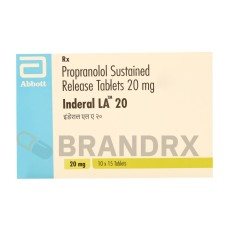

Contains Propranolol Hydrochloride
Propranolol Hydrochloride is a non-selective beta-blocker widely recognized for its therapeutic benefits in various health conditions. Originally developed for treating hypertension, this medication has found broader applications across different medical and performance-focused fields due to its unique pharmacological properties. It primarily works by blocking the action of epinephrine on beta receptors, which helps lower heart rate, relieve anxiety, and reduce tremors. These characteristics particularly appeal to individuals in sports pharmacology, where anxiety control and fine motor skill stabilization can significantly enhance performance, especially in precision sports like shooting, archery, and gymnastics.
As athletes seek every possible edge in competition, substances like Propranolol Hydrochloride have garnered attention for their potential to decrease performance anxiety and physiological symptoms of stress. This has led to discussions regarding its ethical use in sports, where the line between therapeutic advantage and unfair enhancement can sometimes blur. When properly used under medical supervision, Propranolol Hydrochloride serves a critical role in managing both physical and emotional aspects of athletic performance, making it an essential topic of study for those interested in the intersection of health and sports science.
Does not contain Propranolol Hydrochloride
- Contraindications: Certain groups should avoid the use of beta-blockers, including those with conditions such as asthma or chronic obstructive pulmonary disease (COPD), where bronchodilation is necessary for effective respiration.
- Pregnancy and Lactation: Pregnant women should exercise caution as the potential risks to the fetus are not entirely understood. Similarly, breastfeeding mothers should consult healthcare providers about the use of Propranolol Hydrochloride.
- Children: While there may be situations where beta-blockers are prescribed to pediatric patients, careful consideration and evaluation are vital due to differing responses and dosage requirements.
- Certain Medical Conditions: Individuals with severe bradycardia, heart block, or cardiogenic shock should also avoid this medication unless closely monitored and guided by healthcare professionals.
- Drug Interactions: Propranolol Hydrochloride may not be suitable for patients taking other medications that can further lower blood pressure or heart rate, requiring careful patient history assessments to avoid dangerous interactions.
Contains Propranolol Hydrochloride
Current trends in the usage of Propranolol Hydrochloride indicate a growing understanding and acceptance of its utility in various contexts, particularly among athletes and performers. Recent studies have begun to highlight user preferences for standardized dosing and combination therapies that address both psychological and physiological stressors. With advances in formulation technology, such as extended-release forms, Propranolol Hydrochloride can now be administered in more convenient schedules, catering to the needs of individuals in high-pressure environments.
Athletes have increasingly turned to this medication for its dual benefits of managing anxiety while ensuring their physical capabilities remain unaltered. There is a keen interest in exploring ways Propranolol Hydrochloride can be safely integrated into training routines, emphasizing both responsible usage and adherence to legal regulations within various sporting bodies. These explorations have sparked important conversations regarding the regulation of substances intended to manage both health issues and competitive performance, underscoring the delicate balance between medicine and sport.
Does not contain Propranolol Hydrochloride
The role of medications like Propranolol Hydrochloride in sports pharmacology extends beyond mere enhancement; it embodies a larger discussion about health and ethical competition. Within this category, products often share a common purpose—to assist individuals in managing anxiety, focus, and performance under pressure. Knowledge of appropriate applications is crucial for athletes and coaches alike. Understanding how such medications can contribute to overall performance while ensuring compliance with sport-specific regulations is vital for responsible use.
As the discourse around performance-enhancing methodologies continues to evolve, it is imperative for practitioners and athletes to align their strategies with established medical guidelines and ethical standards. By fostering a comprehensive understanding of substances used within this domain, stakeholders can ensure a fair and healthy competitive environment, allowing sports to remain a true testament to human skill and dedication.