





 0
 0



 0


 0
 0
 0

Contains Creatine Hydrochloride
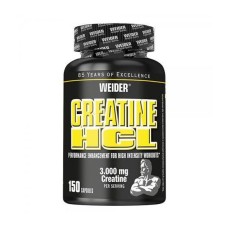
Creatine Hydrochloride (HCl) is a popular and widely recognized supplement in the fitness and bodybuilding community. It belongs to a family of creatine products aimed at enhancing athletic performance, offering a range of benefits that appeal to both casual gym-goers and serious athletes alike. All products in the Creatine Hydrochloride category share key principles of operation—they primarily function to increase phosphocreatine stores in the muscles, facilitating a greater production of adenosine triphosphate (ATP). This boost in ATP aids in improving overall strength, power output, and endurance during high-intensity exercise.
The basic characteristics of Creatine Hydrochloride include its water solubility, which is believed to enhance the absorption rate in the body compared to traditional creatine forms like creatine monohydrate. Furthermore, users often experience fewer gastrointestinal issues, making it a more appealing choice for those sensitive to other forms of creatine. The range of products within this category often includes powders, capsules, and even pre-workout blends that integrate Creatine Hydrochloride for convenient consumption and maximum efficacy.
Does not contain Creatine Hydrochloride
While Creatine Hydrochloride is a standout option, it's essential to recognize that there are other forms of creatine supplements available. These include creatine monohydrate, creatine ethyl ester, and buffered creatine, each offering unique characteristics and benefits. Creatine monohydrate is the most well-studied form, known for its effectiveness in muscle recovery and performance enhancement. It usually requires a loading phase, while alternatives like creatine ethyl ester claim to be more effective at lower doses due to altered chemical structures.
These alternative forms differ significantly in terms of solubility, absorption rates, and potential side effects. For example, some users report that creatine monohydrate can cause water retention, while Creatine Hydrochloride may minimize this concern. The choice between these forms generally depends on individual preferences, specific fitness goals, and the body's response to supplementation. Each type caters to different user needs, making it critical to select the appropriate product tailored to one’s personal objectives and physiological reaction.
Contains Creatine Hydrochloride
Creatine Hydrochloride differentiates itself from other categories within sports pharmacology through its unique biochemical properties and lesser incidence of side effects. While other creatine forms can require extensive loading phases and may involve water retention and digestive discomfort for some, Creatine Hydrochloride can often be taken without a loading phase, providing a more straightforward supplementation experience.
This makes Creatine Hydrochloride an attractive option for users looking to boost their performance quickly. Athletes or weightlifters aiming for explosive power, higher rep endurance, or improved recovery times may find this supplement particularly beneficial. It appeals to strength trainers, bodybuilders, and even endurance athletes who can harness its effects to diminish muscle fatigue while enhancing performance across various athletic disciplines.
Does not contain Creatine Hydrochloride
When considering the use of Creatine Hydrochloride products, long-term implications and caution are essential. While many people can benefit from supplementation, certain groups may need to avoid these products. Pregnant or breastfeeding women, individuals with kidney disorders, and those under the age of 18 should refrain from using creatine products without consulting a healthcare professional first.
Users should also be aware of potential contraindications. For instance, if one is on medication or has underlying health conditions, it’s paramount to discuss the use of any creatine supplement with a qualified healthcare provider. Safety should always be a priority, and thorough research alongside professional guidance can help in making informed decisions regarding supplementation.
Contains Creatine Hydrochloride
Selecting the right product from the Creatine Hydrochloride category is essential for maximizing results while minimizing any unwanted side effects. Users should evaluate several key factors during the selection process. First, considering the purity and quality of the product is crucial; opting for reputable brands that undergo third-party testing can ensure there are no contaminants present.
Moreover, understanding personal tolerance levels, dietary needs, and fitness goals can guide the right dosage and formulation choice. It's advisable to read user reviews and product labels carefully to identify the best product suitable for individual circumstances. Starting with a lower dose and assessing response can also provide valuable insight into what works for the user, paving the way for enhanced athletic performance and effective results over time.